

Skamper
102.7km

Bob Graham (Anticlockwise) — 102.7 km Running Route

by Skamper

Bob Graham (Anticlockwise) is a 102.7 km (63.8 miles) loop in Keswick: hilly, with 6681 m of climb, on trail ground.

Lake District
6681 mAscent
Paved0.1%Paved
5/5Hilly
Bob Graham (Anticlockwise) running route
Loading map…

Photos

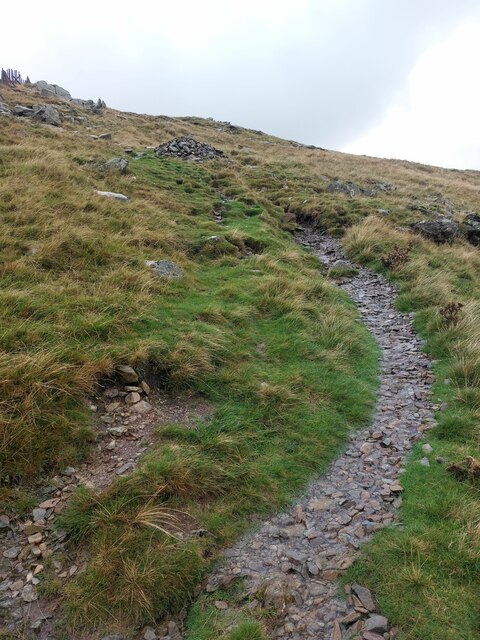
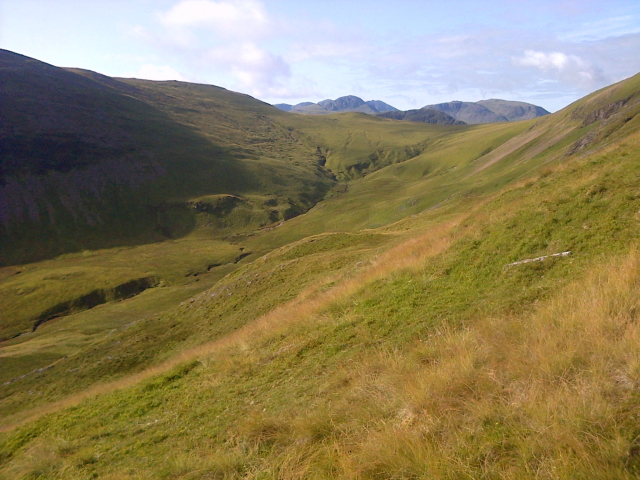
Bob Graham (Anticlockwise) - Photo 1
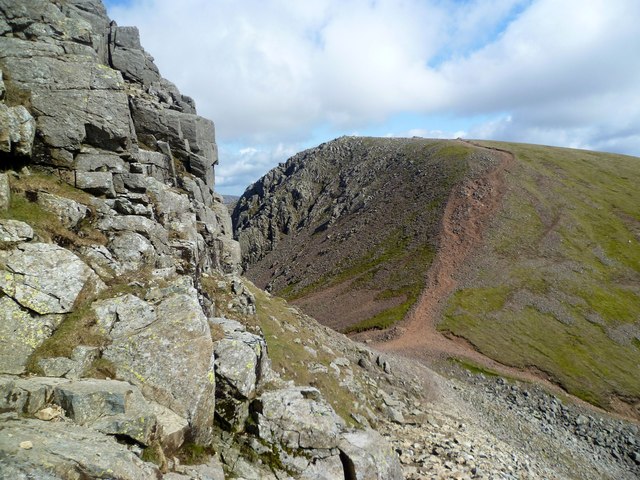
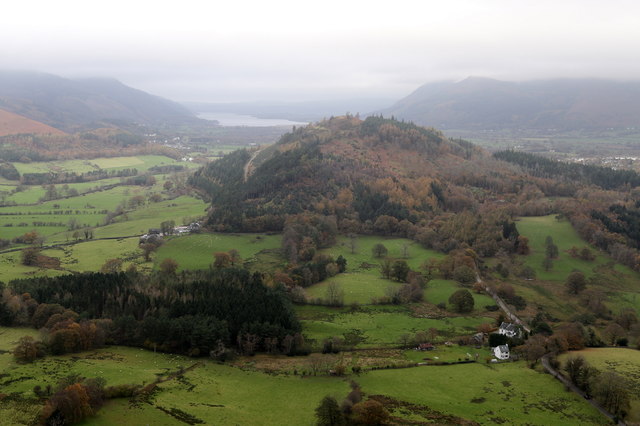
Bob Graham (Anticlockwise) - Photo 2
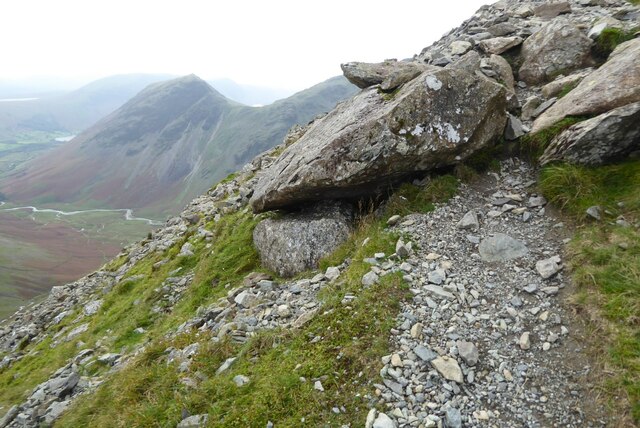
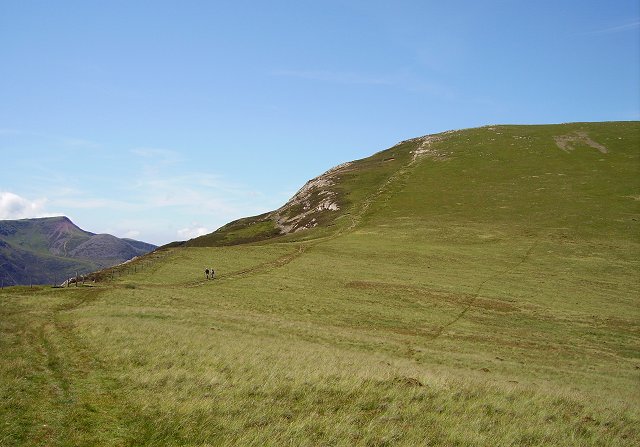
Bob Graham (Anticlockwise) - Photo 3
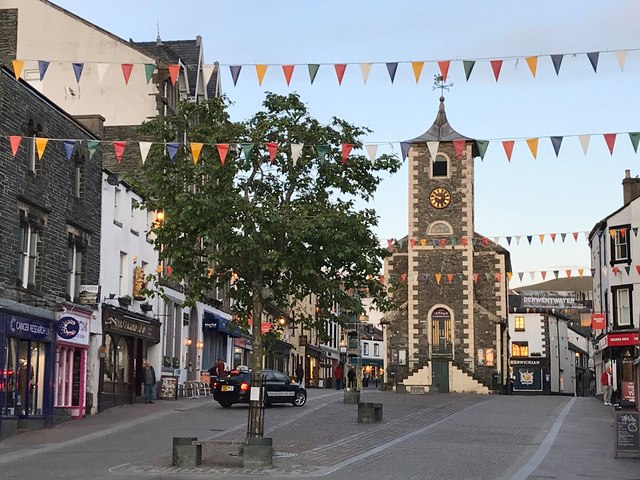
Bob Graham (Anticlockwise) - Photo 4
Bob Graham (Anticlockwise) - Photo 5
Bob Graham (Anticlockwise) - Photo 6
Bob Graham (Anticlockwise) - Photo 7

Elevation

Explore the Bob Graham (Anticlockwise)

Location: Keswick

The Bob Graham Round is one of the most iconic challenges in British fell running, covering approximately 66 miles (106 km) and 42 Lake District summits with around 8,200 metres of ascent. This anti-clockwise route follows the traditional circuit in reverse, starting and finishing in Keswick and traversing a remarkable journey through the Northern, Central, Western and Eastern Fells. The challenge is defined by visiting the 42 recognised Bob Graham summits within 24 hours; the route shown here should be regarded as a guide only. Numerous variations exist between summits, with runners often choosing lines based on weather, ground conditions, personal preference, or support arrangements.

Leaving Keswick, the route heads immediately into the Newlands Fells, climbing onto the high ground west of the town before reaching summits such as Dale Head, Robinson and High Spy. The early stages feature a mixture of grassy ridges and well-trodden mountain paths, allowing runners to settle into a rhythm before the terrain becomes progressively more demanding. From Honister, the route enters some of the most rugged ground of the challenge, traversing the high Western Fells and taking in iconic summits including Great Gable, Kirk Fell, Pillar and Red Pike.

The descent to Wasdale marks a significant milestone before the route tackles the long central section. Here, a succession of major peaks including Scafell Pike, Bowfell and the surrounding summits provide some of the most spectacular mountain scenery in England. The terrain varies constantly, from rocky mountain paths and boulder fields to smoother grassy ridges where progress can be quicker.

Beyond Dunmail Raise, the character of the round changes again as the route enters the broad, rolling ridges of the Helvellyn range. Although the individual climbs are generally less severe than those found earlier in the day, fatigue often makes this section more challenging than it first appears. Long traverses between summits demand steady pacing and efficient movement.

The final leg crosses the Northern Fells, taking in Blencathra, Skiddaw and the surrounding tops before the long descent back towards Keswick. While the terrain here is often more runnable than in the central fells, the accumulated distance and ascent ensure that every climb still feels significant. A successful anti-clockwise round requires careful pacing, strong navigation, and the ability to adapt to changing mountain conditions.

Whether attempted as a continuous 24-hour challenge or enjoyed in sections, the Bob Graham Round remains one of the great tests in British fell running, linking many of the Lake District's finest summits in a single unforgettable journey.

Common questions

How long is this route?
It's a 102.7 km anticlockwise loop in Keswick covering 42 Lake District fells with around 6681 metres of total ascent.
How long will it take me to run it?
Use the 'Your time estimate' panel at the top of this page for a rough guide, but the Bob Graham Round is traditionally attempted in under 24 hours. Most successful rounds take between 18 and 24 hours, and the fastest times are well under 13 hours.
Is it hilly?
Yes — this is one of the most demanding mountain challenges in Britain. It rates 5 out of 5 on our hill scale with roughly 65 metres of climb per kilometre and 6681 metres in total. The round links 42 separate summits, often with steep descents and rough ground between them.
What's the surface like?
It's almost entirely off-road fell and mountain terrain — you'll encounter rock, scree, grass, peat hag and bog. Ground conditions on the day will play a big part in whether trail or fell shoes are the better choice; in wet or muddy conditions fell shoes with aggressive grip are strongly recommended. If you're doing a supported round you also have the option to change shoes at road crossings or support points along the way.
What is the Bob Graham Round?
The Bob Graham Round is a classic Lake District fell running challenge named after Bob Graham, a Keswick guest-house owner who in 1932 became the first person to run 42 Lake District fells within 24 hours. It has since become one of the most revered endurance challenges in British mountain running, with hundreds of runners attempting it each year.
How hard is the Bob Graham Round?
The Bob Graham Round is widely considered one of the toughest endurance challenges in the UK. Beyond the 102.7 km distance and 6681 metres of ascent, success depends on navigation (especially at night), weather, fatigue management and sufficient support. Most runners train for months and attempt it only after completing several long recce days.

Reviews (0)

Be the first to review this route

Sign in to share your thoughts about Bob Graham (Anticlockwise).

Sign in to write a review.

Keep this run brilliant — report an issue

Every Skamper route is community-monitored. If the path is unclear, blocked, dangerous, or the GPX doesn't match reality — tell us and we'll check it.

Runs on this route

Each runner appears once, with their fastest time — however they recorded it (app, Strava or Garmin).

Loading leaderboard…

Nearby Runs

Explore more runs